CBME in the AI Era:
Challenges, Opportunities, and Directions
活動簡介
CBME (Competency-based Medical Education 能力導向醫學教育) in the AI Era 是 Taiwan CBME Week 2026 的主研討會,也是在台灣能力導向醫學教育推動進入下一階段的重要時點所舉辦的一場全國性對話。過去幾年,CBME 已逐漸成為台灣醫學教育的重要政策方向與制度要求。然而在臨床教育現場,理想與實務之間仍存在明顯落差:行政與文書作業常常比教育意義更被感受到,臨床現場忙碌而破碎,真正以 coaching 與縱貫發展為核心的教育文化也仍未均衡建立。
與此同時,人工智慧正快速改變醫療與教育。對醫學教育而言,AI 帶來的不只是新工具,更是更深層的提問:它可能挑戰我們對未來醫師角色的想像、對能力本質的理解、對評量系統的設計,也可能重新打開 CBME 長期以來追求卻難以真正落實的一些理想,例如更完整整合教育與臨床資料、更個別化地理解學習發展軌跡,以及為學習者與訓練計畫提供更即時而有意義的支持。然而,這些可能性同時伴隨風險:如果資料蒐集錯誤、資料意義不明、詮釋方式失準,或 AI 的應用削弱了人類判斷、信任與效度,那麼它也可能讓教育偏離原本的目標。
在這樣的背景下,這場研討會的目的,不是急於提出標準答案,而是建立一個全國性的思辨平台。上午四場演講的設計,是希望從不同角度刺激新的思考:首先由醫療 AI 的角度挑戰我們重新思考 AI 時代的未來醫師樣貌;接著討論精準醫學教育所需的基礎建設;再從資料內容、效度與解讀的觀點,思考 AI 若要真正支持能力導向評量,哪些資料與判讀才有教育意義;最後回到 trust、entrustment 與臨床教育實作,探討 AI 應如何支持學習而不取代專業判斷。
下午則刻意分為兩個平行論壇:一個聚焦於領導者與制度層級的轉型問題,另一個聚焦於前線師生在日常教學、督導與學習支持中的實際挑戰與應用經驗。這兩個論壇並不預設會產生完整解方,而是希望透過問題導向的討論,讓與會者共同辨識目前的關鍵挑戰、可能的努力方向,以及哪些議題需要進一步的領導、協作與後續發展。
最後,研討會將再把上述不同層次的觀點拉回 CBME 的整體框架:AI 帶來的挑戰與願景,如何能幫助我們更有意義地落實能力導向教育?台灣在下一階段的醫學教育改革中,又可能需要朝哪些方向努力?我們不期待一天之內形成最終共識,但希望透過這場研討會,促進共同理解、深化反思,並為後續 Leadership Camp 的更深度討論鋪路。
報名資訊
REGISTRATION INFO
- 為確保大會籌備順利與教育資源合理分配,請務必於報名期限內完成報名手續。本課程需確實完成簽到與簽退,全程參與者將於會後核發電子檔參加證明。
- 主辦單位保留課程內容、時段等調整及變更的權利,如有任何異動,將進行公告與通知。
- 主辦單位基於活動後認證積分之必要,將蒐集您於本網站註冊之辨識個人資料,作為認證必要資訊之需,如您個人資訊有疑慮或需要修正,請於報名完成後與主研討會總承辦人聯繫。
- 主辦單位得就活動進行錄音、錄影等記錄,於活動期間進行記錄所衍生之聲音、影像、照片、文字,得供後續相關活動之簡介、教學、行銷宣傳等目的之使用。於該使用範圍內,參與者不得對主辦單位主張任何權利。
本次研討會投入珍貴資源,敬邀醫學教育先進共襄盛舉,共學共識如何因應未來教育挑戰。為免浪費寶貴的醫療教育資源,報名後請務必出席。 如報名後因故無法出席,請務必於報名截止日前通知主辦單位釋放名額,以利名額遞補;若當天有臨時突發狀況,亦請主動告知。
※ 本活動為促進國內夥伴深度交流,採實體現場參與,不提供線上直播。
中國醫藥大學附設醫院內部員工
- 費用:免費 (限額 150 名)
- 報名方式:採分階段報名。
第一波報名:各職類教學負責人及全院主治醫師(6/1 至 6/8)(已額滿)
第二波報名:全院人員(6/8 至 6/29 或額滿截止)(已額滿)
中國醫藥大學附設醫院 林頴逸 先生
(033643@tool.caaumed.org.tw)
各職類教學負責人及全院主治醫師 (已額滿)
全院人員 (已額滿)
國內各大機構 (含中國醫藥大學教職人員)
- 費用:免費 (限額 100 名)
- 報名方式:6/1 至 6/29(額滿為止),以下兩個報名類別請擇一報名。(已額滿)
- 備註:
本活動因名額有限,送出報名表後將由主辦單位進行資格與名額確認,待收到「報名成功通知信」後,始完成報名程序。敬請留意您的電子郵件通知,感謝您的配合。
中國醫藥大學附設醫院 蔡宜蓉 小姐
(04-2205-2121 ext.12346,038978@tool.caaumed.org.tw)
Leadership Camp 活動諮詢:國泰綜合醫院 陳淑貞 小姐
(02-27082121 分機 1050, 1051, 1052, 1055)
7/25 研討會單日活動報名(已額滿)
7/25 研討會 + Leadership camp (7/25-7/27) 活動連結
Taiwan CBME Week 2026 Agenda
JULY 25 MAIN CONFERENCE
大會報到 Registration
開場致詞 Opening Remarks
重塑AI時代的未來醫師:對能力導向醫學教育的啟示
Reimagining the Future Physician in the Age of AI: Implications for
Competency-Based Medical Education
中國醫藥大學附設醫院 周德陽 院長
AI時代的精準醫學教育:願景、基礎建設與實踐策略
Precision Medical Education in the AI Era: Vision, Infrastructure, and Implementation
國泰綜合醫院 簡志誠院長
大合照暨茶敘 Group Photo & Coffee Break
評量系統與資料科學:AI在醫學教育中的應用與落實
Assessment Systems and Data Science: The Role of AI and Implementation in Medical Education
臺北醫學大學 陳建宇副教務長
臨床教育實踐中的信任與人工智慧
Trust and AI in Clinical Education Practice
台北慈濟醫院 鄭敬楓副院長
午餐與交流 Lunch Break
Leaders' Forum (Room 102)
AI、能力導向醫學教育與系統層級轉型
AI, CBME, and System-Level Transformation
Chia-Te Liao, MD, PhD
Shih-Sheng Chang, MD, PhD
嘉義長庚紀念醫院 蕭政廷副院長
義大醫院 林季緯主任
Frontline Forum (B1國際會議廳)
AI於日常教學與臨床實務中的應用
AI in Daily Teaching and Clinical Practice
Cheng-Heng Liu, MD
Wei-Chun Wang, MD
高雄醫學大學 林育志主任
國泰綜合醫院 鍾睿元副主任
茶敘 Coffee Break
將AI整合進能力導向醫學教育生態系統
Integrating AI into the CBME Ecosystem
國科會醫學教育學門召集人 張玉喆
從對話到方向:共同形塑台灣能力導向醫學教育的未來
From Dialogue to Direction: Shaping the Future of CBME in Taiwan
國防醫學大學醫學院 林錦生院長
閉幕典禮 Closing Ceremony
講者 & 主題
SPEAKERS & TOPIC
ABSTRACT
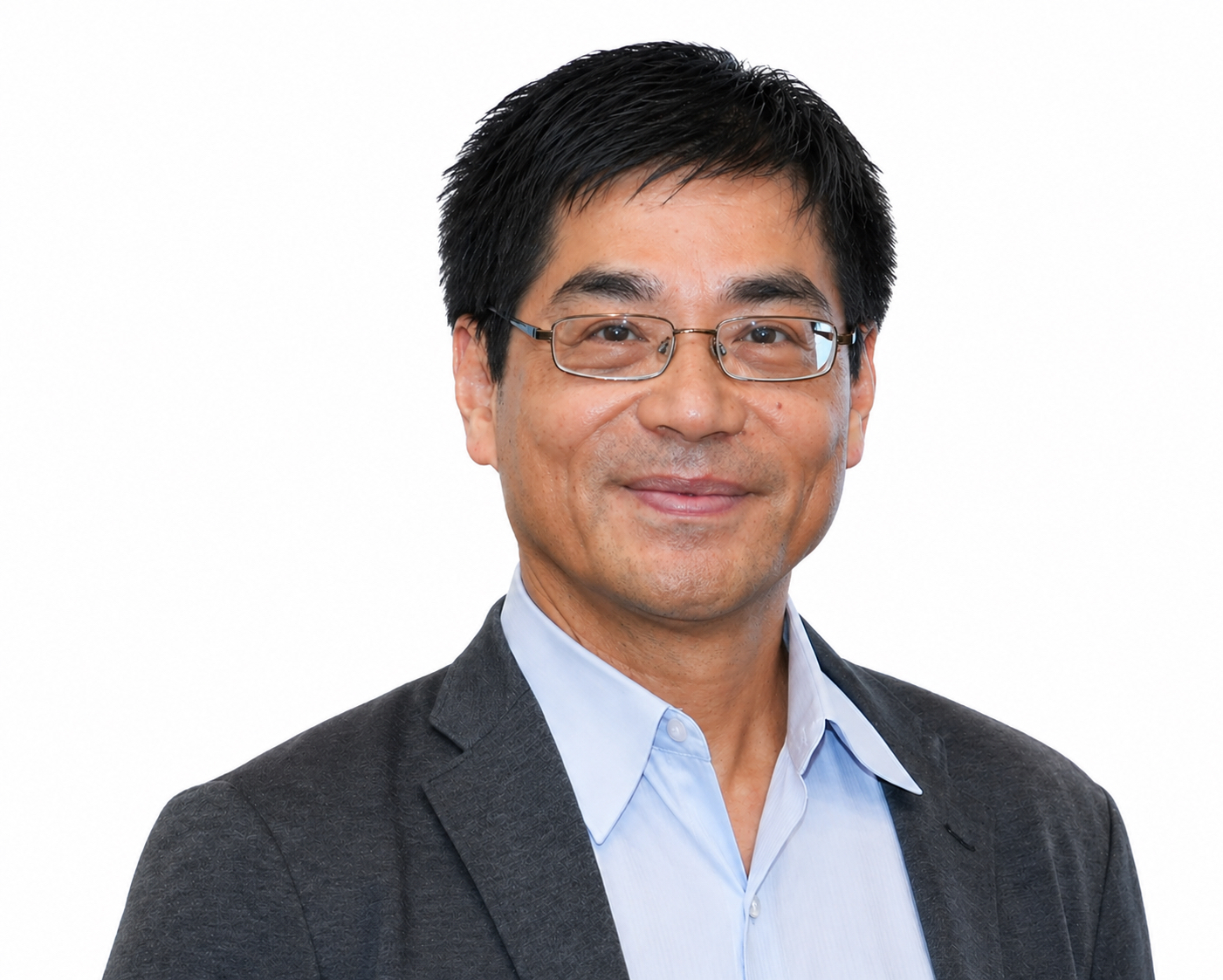
Recent Artificial intelligence advance is transforming the skills physicians need and reshaping competency-based medical education (CBME). Beyond clinical reasoning, communication, and proficiency, future physicians must master AI literacy, data interpretation, ethical oversight, and human-AI collaboration. This session discusses a framework that integrates critical assessment of algorithmic outputs and adaptive expertise into CBME. Strategies include case-based learning, interdisciplinary team work with data scientists, and reflective real-world practice on when to trust or override AI. Teaching colloquiums and assessment methods, including entrustable professional activities and workplace evaluations such as interactive workshops, ethical case discussions, and simulated clinical scenarios will be presented. By aligning CBME with AI-enabled competency learning, educators can prepare physicians to use technology responsibly while ensuring patient-centered, equitable, and high-quality practice to further improve patient care.
 VIRTUAL
Yang C. Fann, PhD
ABSTRACT
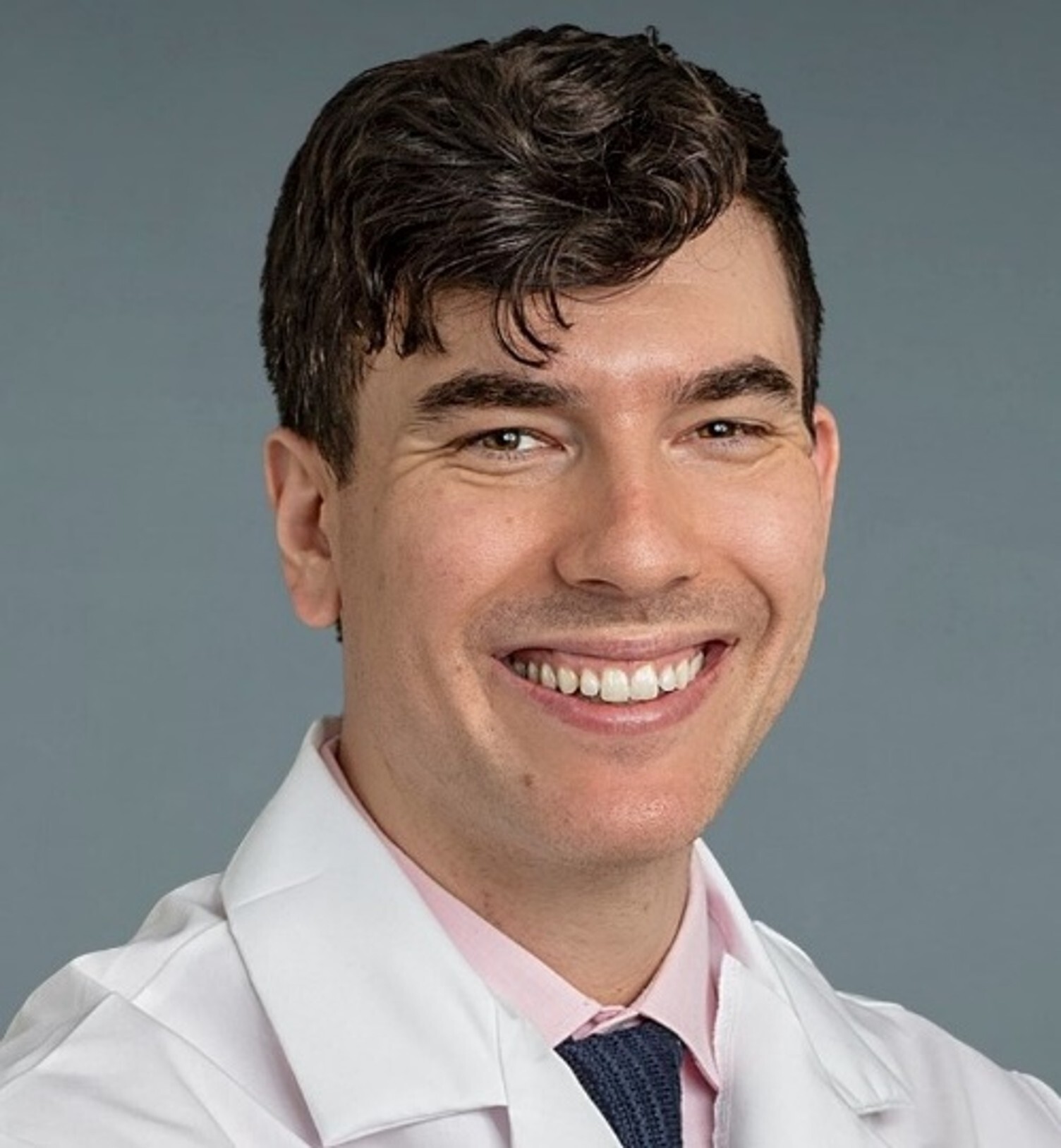
Precision medical education integrates clinical and educational data to support more continuous, individualized, and outcome-informed learning. In the AI era, this approach is becoming increasingly feasible across the continuum of medical education. This talk will present a practical framework for precision medical education, with examples of AI-enabled assessment, feedback, coaching, and workplace learning. It will also highlight the infrastructure needed to support implementation, including data integration, analytic capacity, governance, and faculty engagement. Participants will leave with a clearer understanding of how institutions can begin building systems that learn from routine practice and better support learner development over time.
 VIRTUAL
Jesse B. Rafel, MD, Mres
ABSTRACT
Education programs routinely gather and synthesize trainee data to improve learning. Over the past decade, the shift toward CBME has prompted better integration of assessment systems with data science, incorporating learning analytics and careful consideration for implementation strategies. The emergence of artificial intelligence (AI) has transformed the value of assessments in CBME that inform patterns of developmental trajectories (learning curves), progress toward competence, and alignment of training performance with healthcare outcomes. This presentation will discuss innovations in data science and AI using data collected through local and national initiatives, with implications for methodologies, delivery of CBME, and effective educational implementation.
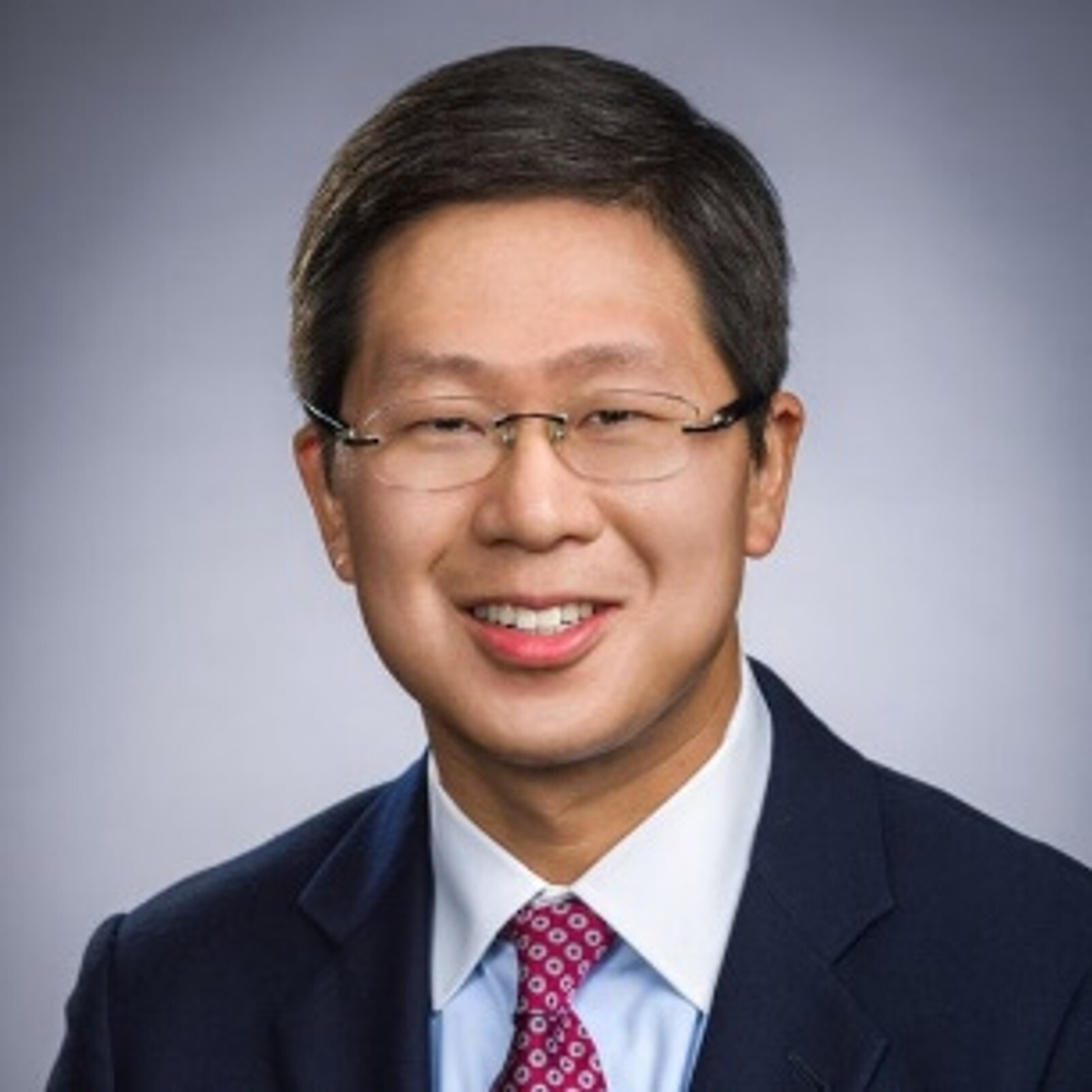
Yoon Soo Park, PhD
ABSTRACT
Artificial intelligence (AI) is increasingly used in health professions education, but its role raises important questions about trust and entrustment. This presentation distinguishes entrusting learners with AI from entrusting learners to AI, arguing that AI cannot participate in reciprocal human trust because it does not bear responsibility, relational risk, or shared vulnerability. Instead, AI should be understood as a technological lens that can mediate trust between patients, trainees, supervisors, and educational systems. Drawing on trust theory, workplace-based assessment, and examples from AI-assisted data extraction and virtual patient assessment, the presentation proposes a task- and context-specific approach to determining appropriate AI autonomy. It also introduces a staged safety blueprint, progressing from AI-AI testing to expert testing, learner volunteer testing, and eventual deployment. Safe use of AI in education requires attention to stakes, context, human oversight, and the effects of AI on human relationships.

Brian Gin, MD, PhD
AI, CBME, and System-Level Transformation: The Leadership Imperative -- Lyuba Konopasek, MD
Artificial intelligence is often discussed as a technological innovation, and competency-based medical education (CBME) as an educational reform. Yet the greatest challenge facing health professions education is neither technology nor curriculum—it is system transformation. As AI reshapes clinical practice, decision-making, and workforce roles, educational institutions must adapt how they learn, govern, assess, and improve. This plenary explores how AI and CBME are driving the need for adaptive learning systems and examines the leadership capabilities required to navigate complexity, align stakeholders, foster innovation, and ensure that technology strengthens the human dimensions of healthcare and education.
From Center to Department: Pre-positioning the Institutional Scaffolding for AI-Era CBME -- Chia-Te Liao, MD, PhD
Embedding generative AI into Competency-Based Medical Education (CBME) at scale requires more than tool deployment—it demands deliberate institutional pre-positioning. This session draws on Chi Mei Medical Center's three-year transformation, from the 2023 "Four Anchors of Governance" (governance architecture, learning pathway, faculty development, and AI engineering) to the 2025 ten-year framework, illustrating how an "organization-first, tools-after" strategy created a hospital-wide educational ecosystem capable of absorbing AI.
Two pre-positioning moves preceded any AI deployment. First, the Medical Education Center was elevated to a Medical Education Department, granting teaching leadership the institutional standing to embed AI governance into faculty development, EPA design, and assessment. Second, a four-pillar, six-domain architecture was established under the principle of "AI empowerment with humanistic foundation," forming receptive scaffolding for AI integration. The BRIDGE framework systematized the three CBME solutions—visualizing workplace learning, dissolving assessment silos, and aligning educator cognition—creating the surface onto which AI could be coupled.
Building on this scaffolding, the A+ Holistic Medical Education System (four modules) and HIS Copilot were deployed as an integrated rollout rather than standalone tools, ultimately serving over 160,000 monthly active users and earning the Edison Award 2025, iF Design Award 2026, HBR Taiwan Ding-Ge Award, and IHF Global Top-3 recognition.
The talk closes with three "if-not" principles—without organizational standing, without receptive scaffolding, and without sustainability design, AI-era CBME transformation cannot endure. Drawing on the closing of the first five-year "Carp's Leap" plan and the looming next "Dragon's Ascent" decade, the session distills transferable pre-positioning principles for fellow medical education leaders preparing for the next wave.
When Clinical AI Enters the Real World: Reflections on Competence, Trust, and Medical Training -- Shih-Sheng Chang, MD, PhD
As clinical AI moves beyond research publications and demonstration projects into real-world healthcare settings, it brings not only opportunities for greater efficiency and workflow optimization, but also new challenges to our understanding of professional competence, clinical judgment, and trust in healthcare.
Drawing on firsthand experience implementing AI in clinical practice, this presentation will share practical examples from cardiovascular medicine, medical imaging interpretation, clinical documentation and summarization, decision support systems, and smart hospital workflows. Through these experiences, we will explore how the integration of AI is reshaping the capabilities and mindsets required of physicians and healthcare teams.
Using real-world cases and practical reflections, this session invites medical educators to consider a fundamental question: AI is not merely a new tool—it is also a mirror that compels us to re-examine the core competencies that medical training should cultivate. As AI becomes increasingly embedded in everyday clinical practice, the task of medical education extends beyond teaching learners how to use AI. It must also prepare them to exercise sound judgment, build trust, and continue learning in AI-enabled environments, ultimately becoming healthcare professionals worthy of the trust of patients and society.

Lyuba Konopasek, MD
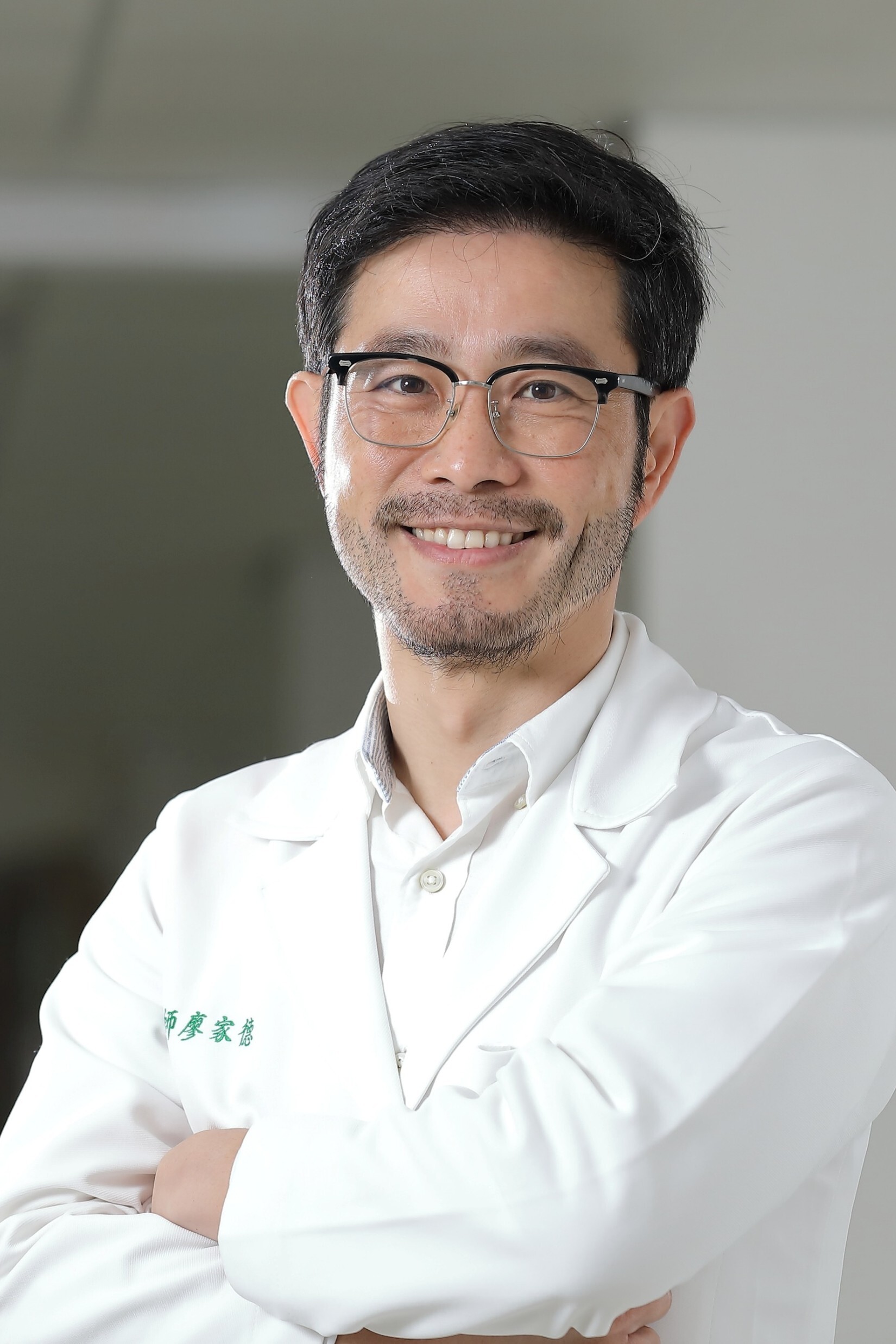
Chia-Te Liao, MD, PhD
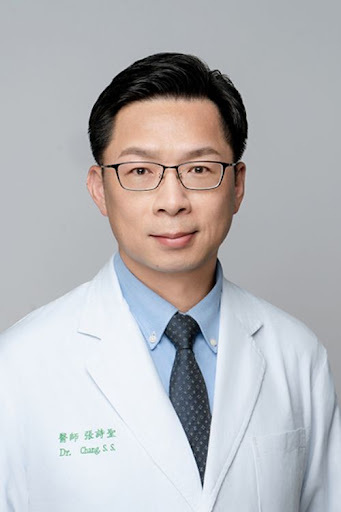
Shih-Sheng Chang, MD, PhD
From AI Tools to Agentic Workflows: Reframing Frontline CBME in Daily Teaching and Clinical Practice -- Ming-Jung Ho, MD, DPhil
AI in medical education is moving from isolated tools toward agentic workflows that can help execute, analyze, coordinate, and monitor daily work. This opening talk will use an agentic AI lens to reframe a central challenge for frontline CBME: not only what AI can help, but how teaching, supervision, feedback, assessment, and learner support should be redesigned when educators work alongside semi-autonomous systems. I will invite participants to consider what should be delegated, augmented, supervised, or protected from automation, and what forms of human judgment, trust, equity, and accountability must remain central.
The AI-Augmented Competency Model: Redefining Medical Education in the Era of Human-AI Symbiosis -- Cheng-Heng Liu, MD
The rapid integration of Generative AI into healthcare has fundamentally transformed clinical workflows and academic research. However, this paradigm shift brings unprecedented challenges to medical education, particularly the risks of "cognitive surrender" and "de-skilling" among young physicians and trainees. As AI systems become more capable, the traditional competency-based medical education (CBME) frameworks must evolve.
This keynote introduces the AI-Augmented Competency Model, a novel framework designed to prepare medical professionals for the era of human-AI symbiosis. The presentation will explore its three foundational pillars: Dual Literacy (the intersection of domain expertise and AI literacy), Shared Control (mitigating automation bias and retaining high-level clinical decision-making), and the Joint Workspace (moving beyond basic prompting to integrate AI as a collaborative partner in continuous clinical and academic environments). By redefining what it means to be a "competent" physician, this session provides educators and clinical specialists with a pragmatic roadmap to foster the next generation of AI-resilient medical professionals.
Generative AI in Medical Education: Where Can It Actually Help? -- Wei-Chun Wang, MD
The rapid advancement of generative AI has prompted growing interest in its potential applications across healthcare and education. Yet in medical education, many discussions remain at the level of possibility rather than practice—leaving clinician-educators with an important unanswered question: where can generative AI actually help?
The applications we discuss span several dimensions of medical education: simulation-based training, clinical documentation and feedback, knowledge support at the point of care, and clinical reasoning. For each, we reflect on what the technology can genuinely contribute, where it falls short, and what conditions are necessary for it to be useful rather than merely impressive.
Our aim is not to advocate for AI adoption, but to offer an honest, experience-based perspective that helps educators and institutions ask better questions—and make more grounded decisions—about where generative AI fits in the future of medical education.

Ming-Jung Ho, DPhil
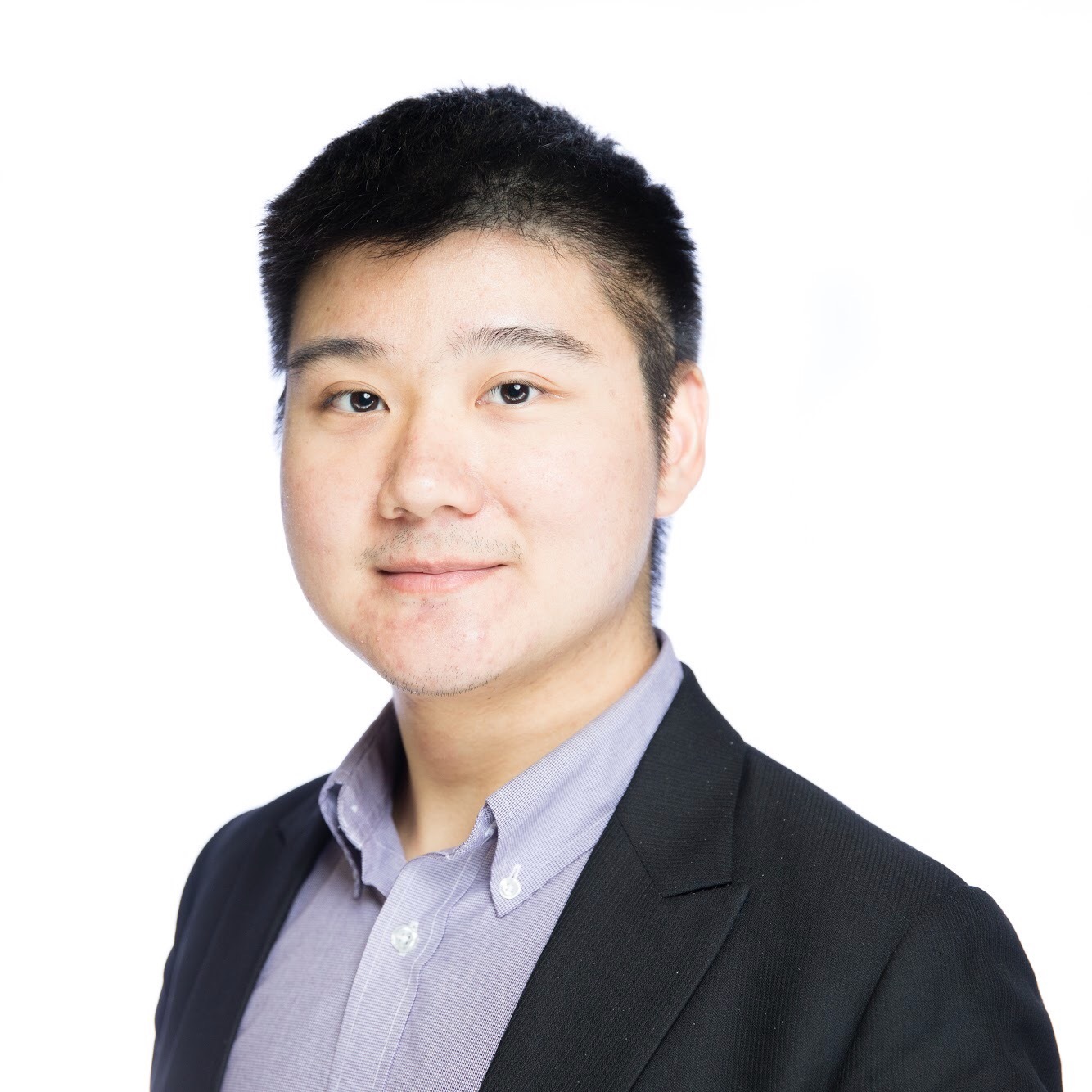
Cheng-Heng Liu, MD
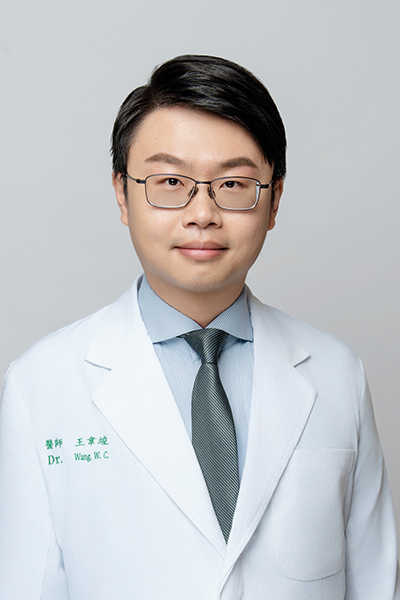
Wei-Chun Wang, MD
ABSTRACT
Artificial intelligence (AI) is currently disrupting healthcare and medical education. Recent and rapid advances in AI continue to accelerate, appearing to outpace our ability to adapt and integrate AI into our daily work. The challenge before us is how to most effectively, and ethically, use these new AI technologies to achieve the aims of competency-based medical education (CBME) and its focus on ensuring physicians are fully prepared to provide high quality health care. While some AI research shows substantial promise to improve the effectiveness of clinical care and the professional development of health professionals, other studies report mixed results. Substantial uncertainty remains regarding the optimal role and use of AI. This is especially true for competency-based medical education programs where the ultimate desired educational outcome is mastery. This brief talk will explore how AI can better outcomes in complex medical education ecosystems, and the implications for the design and implementation of CBME programs.

Eric S. Holmboe, MD
交通資訊
TRANSPORTATION & PARKING
會場位置
- 立夫教學大樓B1 國際會議廳
台中市北區學士路91號
停車資訊
- 汽車 (40元/小時):復健停車場、育德立體停車場、五權立體停車場、中正公園地下停車場、眼耳鼻喉科醫學中心大樓停車場。
- 汽車 (30元/小時):五順街停車場、中山停車場。
- 機車 (40元/次):五權立體停車場。
大眾運輸
- 高鐵轉乘:搭乘至高鐵台中站,轉乘 高鐵快捷公車 159 路 至「中國醫藥大學站」下車即可抵達。
- 市區公車 (中國醫藥大學站):統聯客運 (18, 25, 61, 77)、台中客運 (35, 131)、東南客運 (67)、豐原客運 (51)。
- 市區公車 (五權學士路口站):台中客運 (6, 9, 29, 35, 70, 108, 131, 154)、統聯客運 (18, 25, 56, 61, 81)、東南客運 (67)、全航客運 (5)。