近年來,能力導向醫學教育(CBME)已成為台灣醫學教育改革的重要方向。從核心概念的引介、訓練制度與評量機制的設計,到實施策略、教師培育、學習者參與與跨機構合作,台灣的 CBME 推動逐步從理念倡議走向教育現場的實作與調整。
Taiwan CBME Week 2026
CBME in the AI Era:
Challenges, Opportunities, and Directions
JULY 25 - AUGUST 08, 2026
EST. 2019 | TAIWAN | AI-DRIVEN ECOSYSTEM
簡介
INTRODUCTION
Taiwan CBME Week 的系列活動,正是在這樣的推動歷程中逐步形成。它並非單一研討會,而是依據台灣 CBME 發展的階段性需求,邀集國內外教育者、臨床教師、訓練計畫主持人、機構領導者、政策與評鑑相關夥伴,共同面對當前推動中的關鍵問題,並透過研討、工作坊、論壇與共創式學習,累積下一階段改革所需的知識、能力與共識。
2026 年,第三屆 Taiwan CBME Week由中國醫藥大學附設醫院、國泰綜合醫院、臺北醫學大學聯合主辦,結合榮獲美國醫學會(AMA)推動AI融入能力導向教育的「Precision Education」國家型計畫,主要來自伊利諾州立大學醫學院(UIC)與美國外籍醫師認證暨國際醫學教育與研究促進基金會(Intealth),以及紐約大學、密西根大學等多名國際知名學者,將以「AI 時代下的能力導向醫學教育」為核心關懷。當人工智慧快速進入醫療照護、臨床訓練、教育評量與資料基礎建設,CBME 的推動也面臨新的問題:我們如何重新理解未來醫師所需的能力?如何讓 AI 支持而不是取代教育判斷?如何在資料、評量、信任與病人安全之間建立更成熟的系統設計?
本屆活動將透過 7 月 25 日主研討會與論壇、7 月 26–27 日領導力工作營,以及 8 月 8 日未來醫學教育研討會,從概念對話、領導實作到未來教育場景的探索,持續回應台灣 CBME 推動中的真實挑戰,並與國際夥伴共同思考下一階段的發展方向。
In recent years, competency-based medical education (CBME) has become a central direction of medical education reform in Taiwan. From the introduction of core concepts and the design of training structures and assessment systems, to the development of implementation strategies, faculty development, learner engagement, and cross-institutional collaboration, CBME in Taiwan has gradually evolved from conceptual advocacy toward practice-based implementation and ongoing adaptation in real educational settings.
The Taiwan CBME Week series has taken shape within this developmental trajectory. Rather than a single conference, it reflects the evolving needs of CBME implementation in Taiwan, bringing together educators, clinical teachers, program directors, institutional leaders, and partners involved in policy and accreditation, both locally and internationally. Through conferences, workshops, forums, and co-creative learning activities, it provides a space to engage with current challenges and to build the knowledge, capacity, and shared understanding needed for the next phase of reform.
In 2026, the third Taiwan CBME Week will take "CBME in the AI Era" as its central concern. As artificial intelligence rapidly enters healthcare delivery, clinical training, educational assessment, and data infrastructure, CBME faces new questions: How should we reconceptualize the competencies needed for future physicians? How can AI support, rather than replace, educational judgment? How can we design more mature systems that balance data, assessment, trust, and patient safety?
This year’s program will include a main conference and forum on July 25, a Leadership Camp on July 26–27, and a Future Medical Education Symposium on August 8. Together, these activities will span conceptual dialogue, leadership practice, and the exploration of emerging educational contexts, continuing to respond to the real challenges of CBME implementation in Taiwan while engaging with international partners to consider the next stage of development.
AGENDA
2026 CORE SESSIONS
核心活動
CORE EVENTS & AGENDA
主研討會與論壇
CBME in the AI Era: Challenges, Opportunities, and Directions
AI 時代下的能力導向醫學教育:挑戰、機會與未來方向
領導力工作營
Leading CBME Reform in the AI Era
針對機構領導者與計畫主持人,進行領導實作與系統設計。
未來醫學教育研討會
Exploring Future Scenarios
探索未來教育場景,回應台灣推動中的真實挑戰。
SPEAKERS
FACULTY & GUESTS
國外講者介紹
DISTINGUISHED SPEAKERS
 VIRTUAL
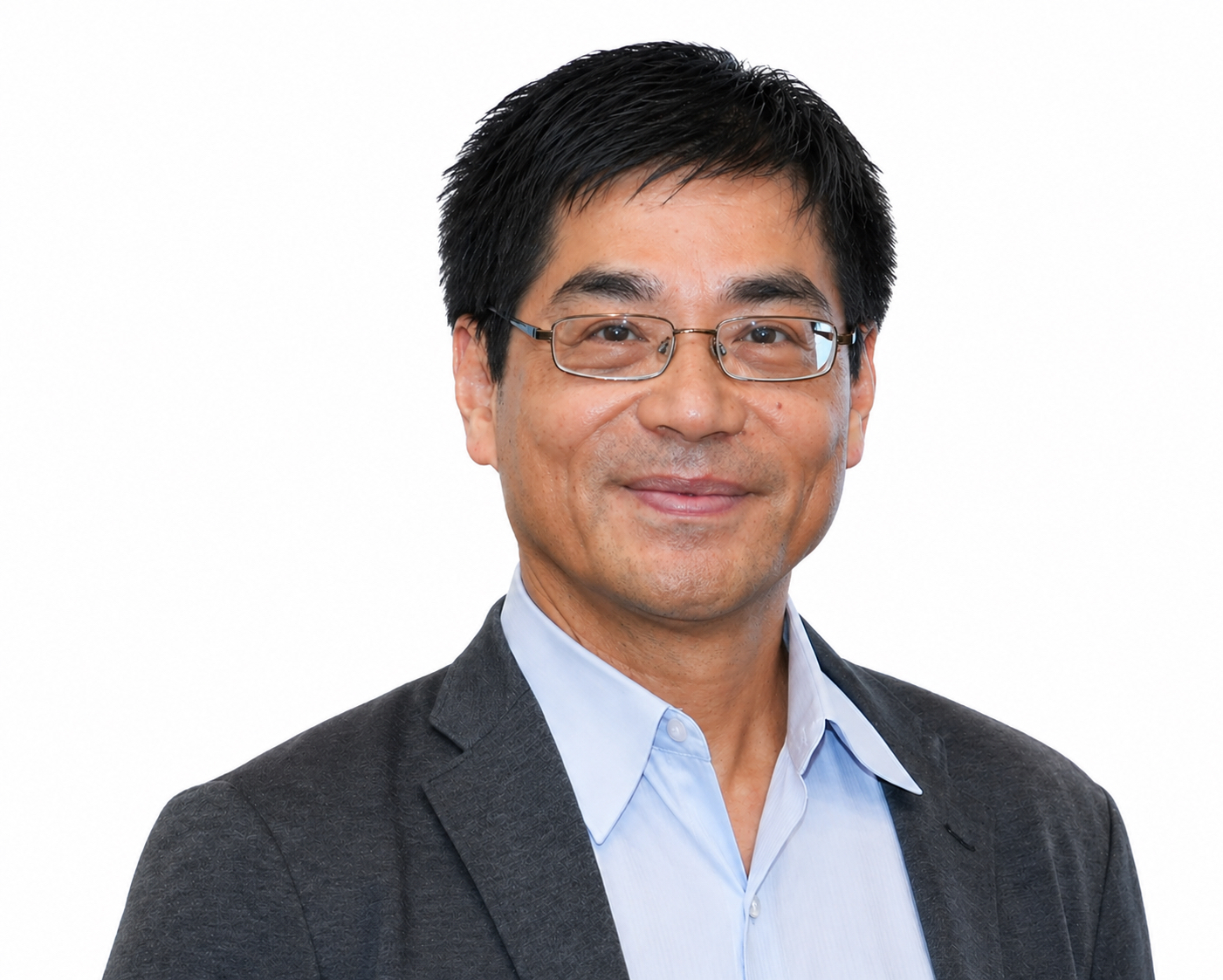
Yang C. Fann, PhD
Job Title
🔹
Director of Taiwan Digital Health Institute (TDHI), CMUH.
🔹
Former Director of Clinical Informatics in the Intramural Research Program at the U.S. National Institutes of Health (NIH).
View Biography
 VIRTUAL
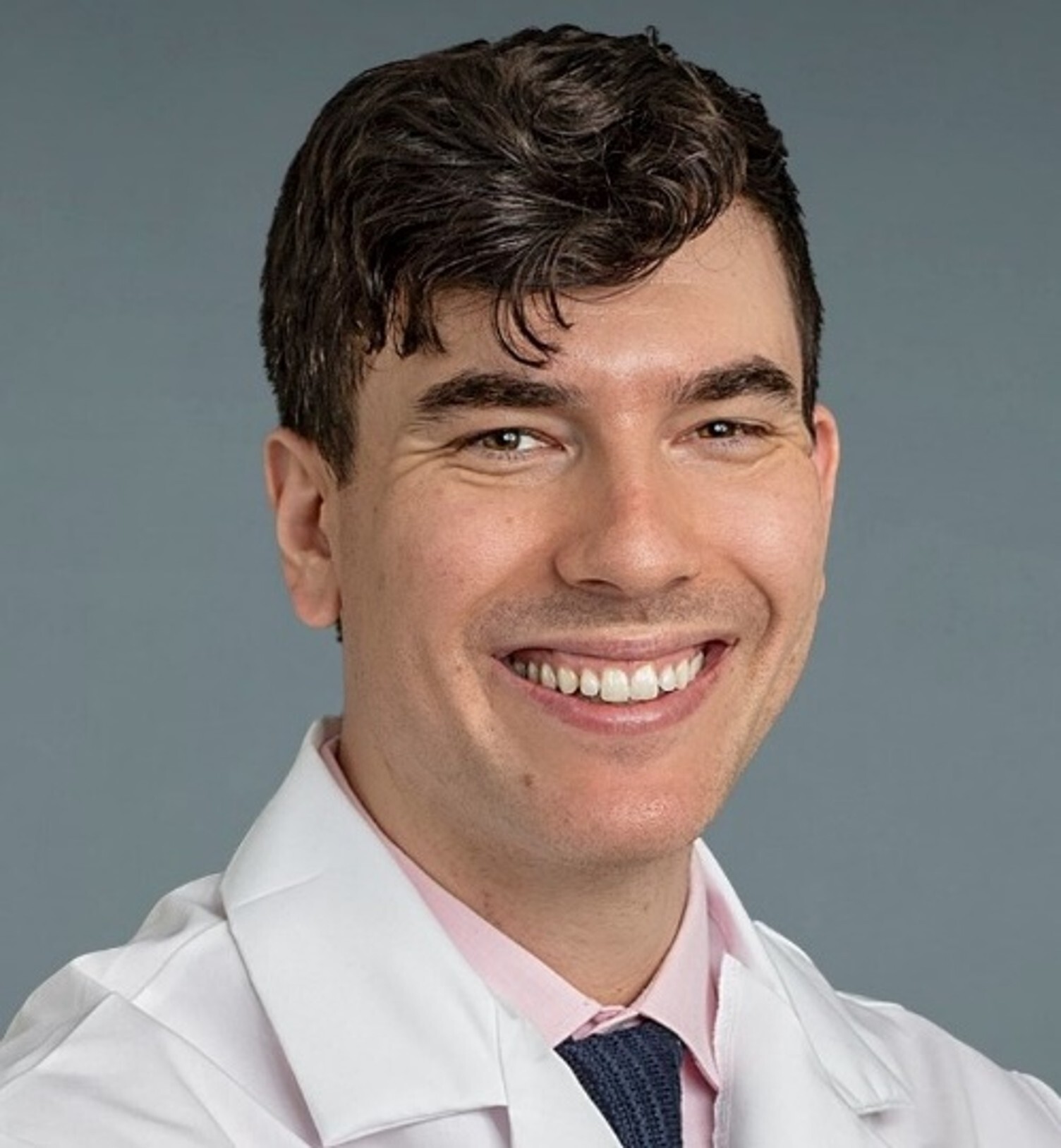
Jesse B. Rafel, MD, MRes
Job Title
🔹
Vice Chair for Research and Assistant Director, Institute for Innovations in Medical Education, and Director, Precision Medical Education Laboratory, NYU Grossman School of Medicine
🔹
Assistant Professor and Hospitalist and Research Coach, Division of Hospital Medicine, NYU Langone Health
View Biography
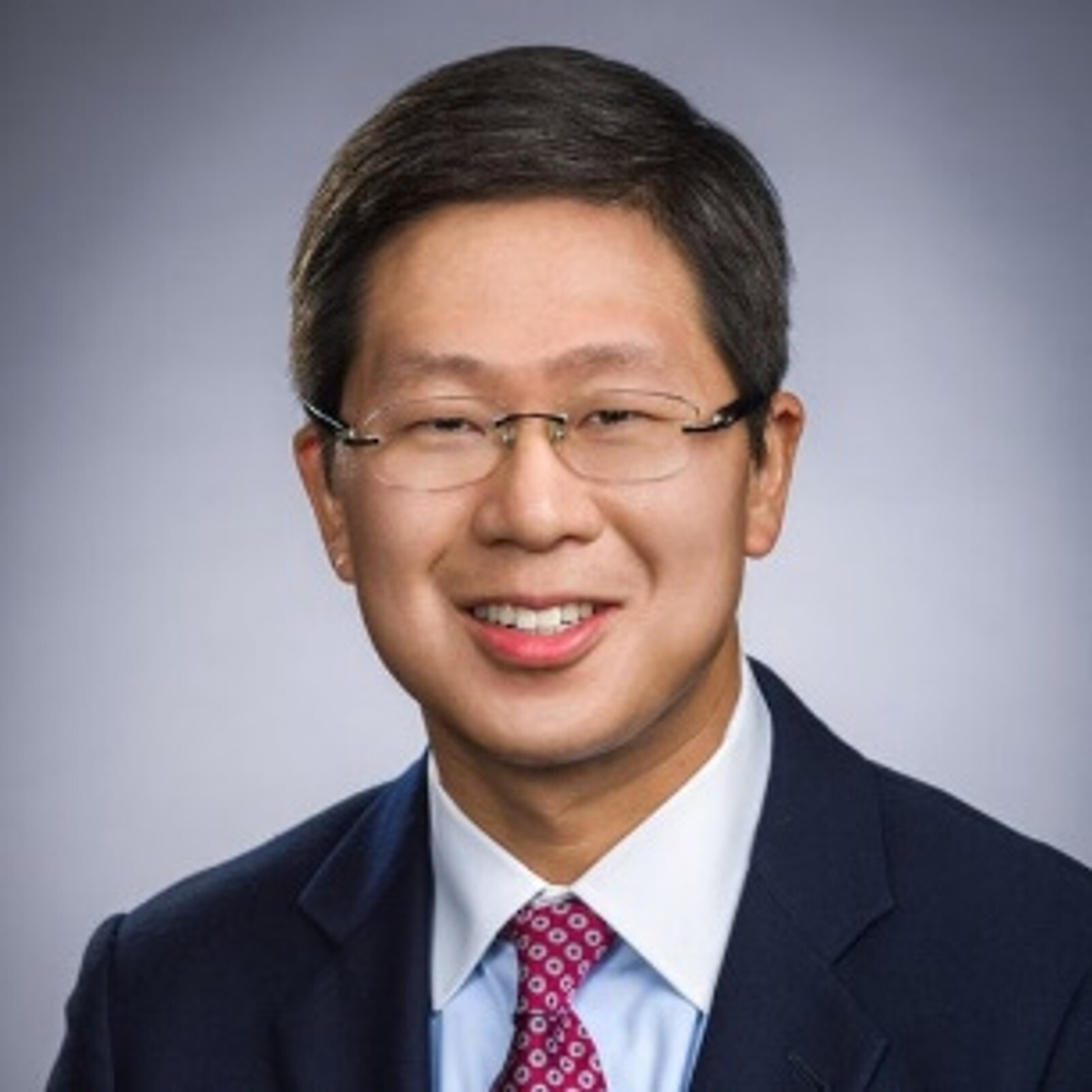
Yoon Soo Park, PhD
Job Title
🔹
Department Head and Ilene B. Harris Endowed Professor of the Department of Medical Education, University of Illinois Chicago(UIC).
🔹
Former Vice President of the American Educational Research Association (AERA) and Chair of Research in Medical Education for the Association of American Medical Colleges (AAMC).
View Biography
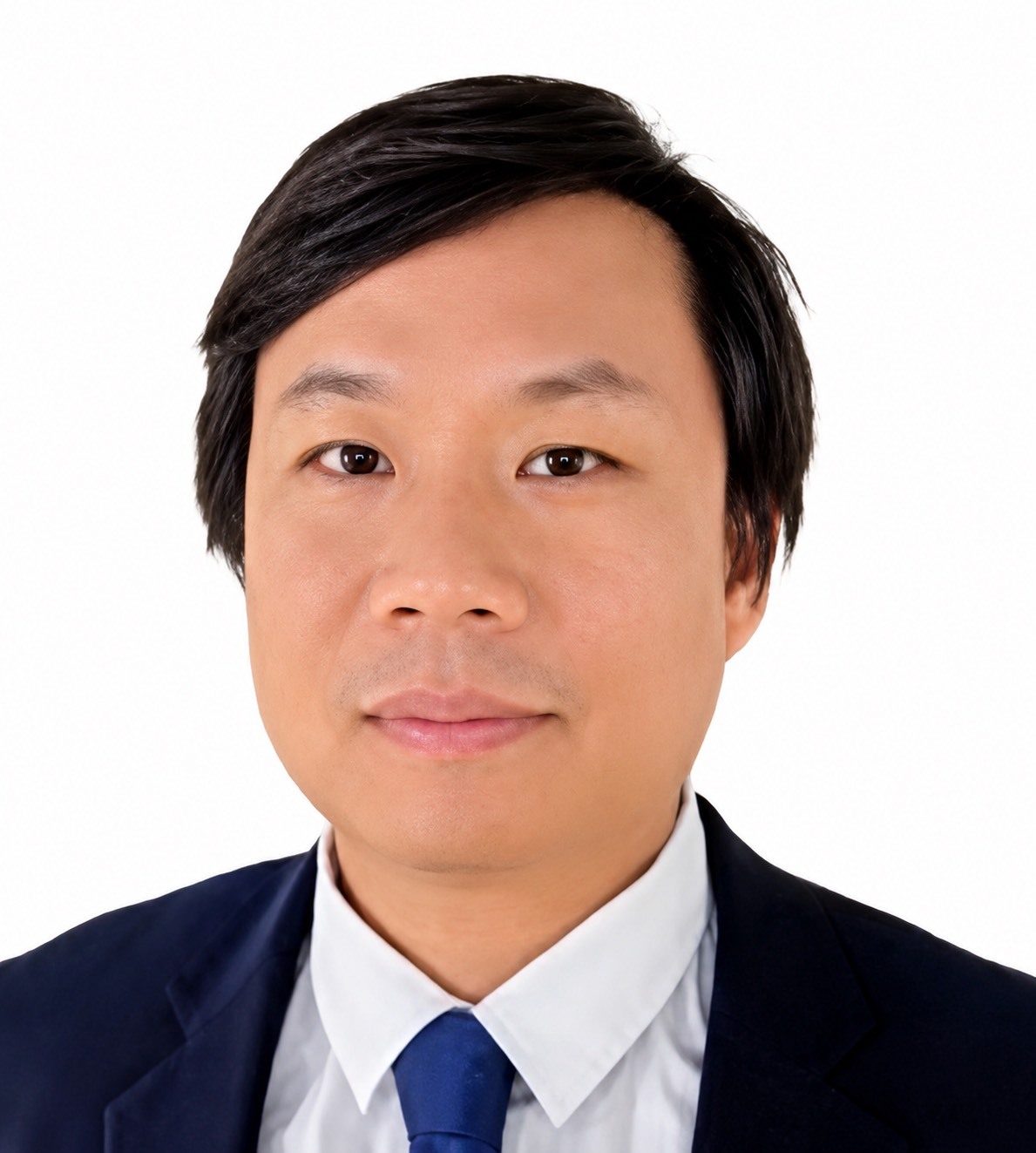
Brian Gin, MD, PhD
Job Title
🔹
Associate Professor, Department of Medical Education (DME) and Pediatrics, University of Illinois Chicago (UIC)
🔹
Director, CARES (Center for AI Research in Education and Simulation) at the UIC DME
🔹
Interim Chief, Section of General Pediatrics, Department of Pediatrics, UIC
View Biography

Lyuba Konopasek, MD.
Job Title
🔹
Senior Vice President at Intealth and Executive Director of FAIMER.
🔹
Recognized expert in Physician Well-Being and former leader within the Association of American Medical Colleges (AAMC).
View Biography
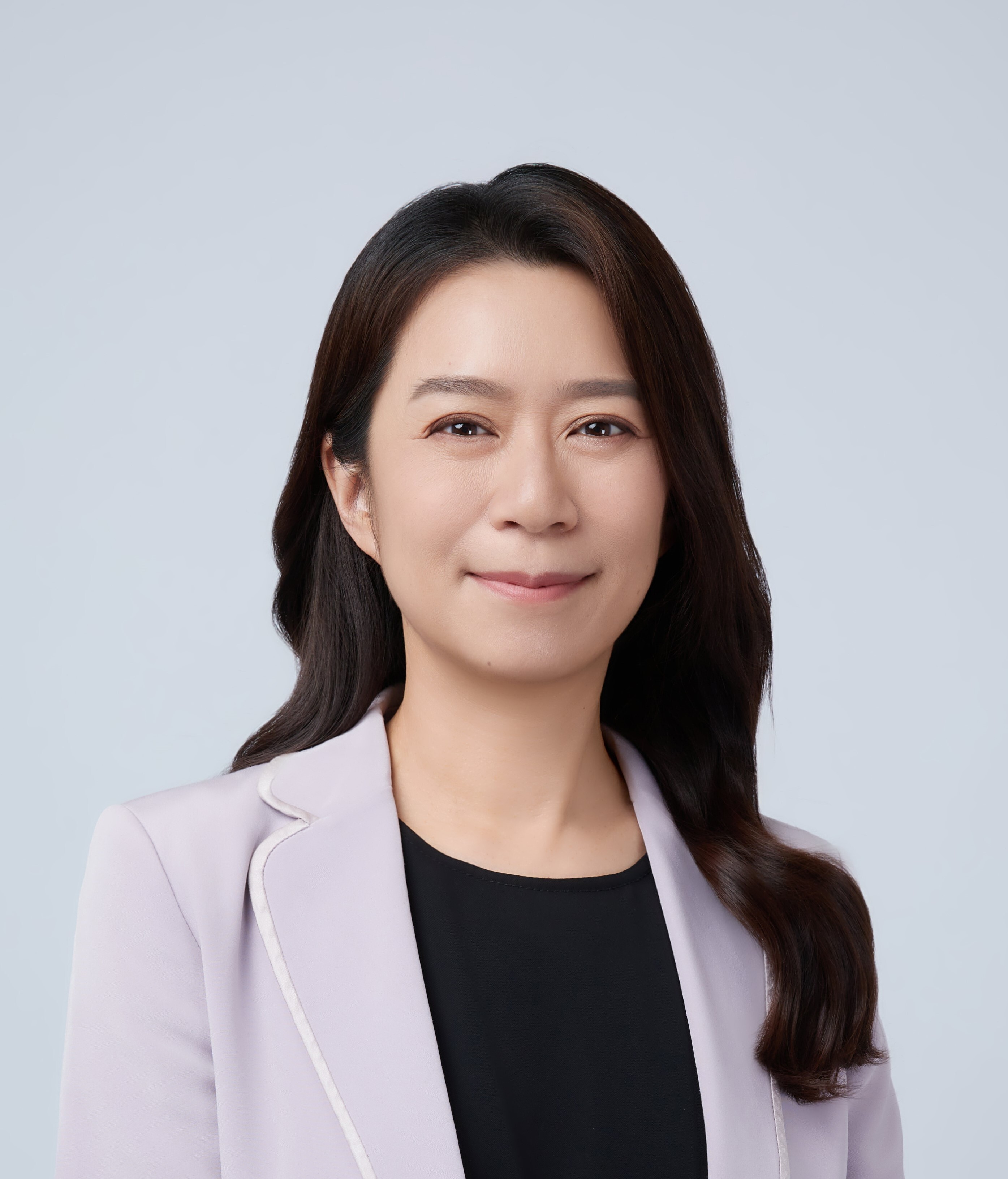
Ming-Jung Ho, MD, DPhil
Job Title
🔹
Senior Director of Program Evaluation at FAIMER, spearheading international medical education assessments and data-driven initiatives.
View Biography

Eric S. Holmboe, MD.
Job Title
🔹
President and Chief Executive Officer, Intealth
🔹
Former Chief, Research, Milestones Development and Evaluation Officer, Accreditation Council for Graduate Medical Education (ACGME)
🔹
Adjunct Professor of Medicine at the Yale University School of Medicine and the Uniformed Services University of the Health Sciences
View Biography
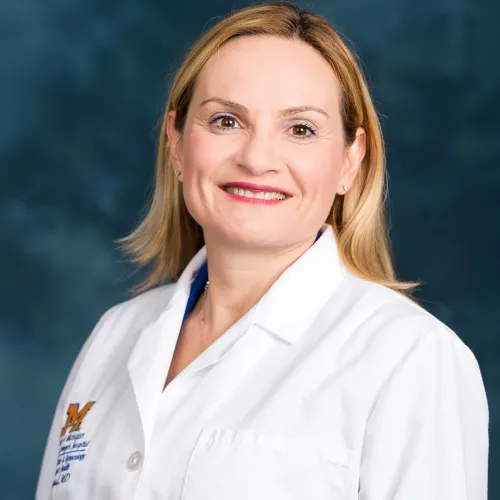
Maya M Hammoud, MD, MBA
Job Title
🔹
Research Professor of Obstetrics and Gynecology; Professor of Learning Health Sciences, University of Michigan Medical School
🔹
Senior Advisor, Medical Education Innovations, American Medical Association (Health systems science and Coaching)
View Biography
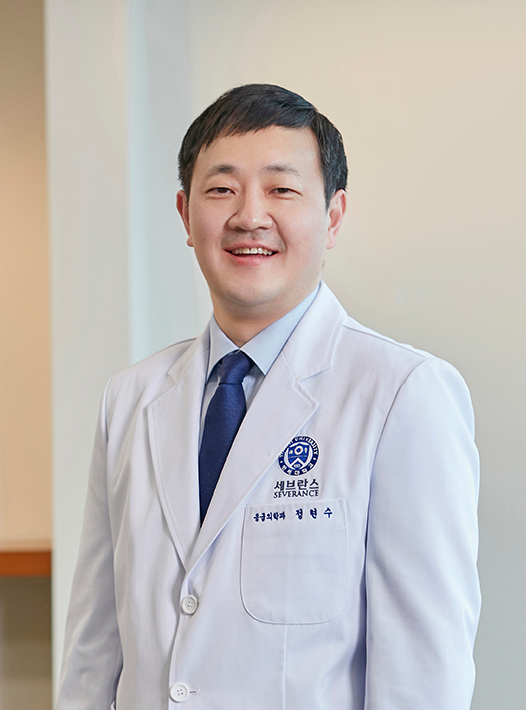
Hyun Soo Chung, M.D., Ph.D.
Job Title
🔹
Professor, Yonsei University College of Medicine
View Biography
PLENARY SPEAKER
Yang C. Fann, PhD
🔹
Director of Taiwan Digital Health Institute (TDHI), CMUH.
🔹
Former Director of Clinical Informatics in the Intramural Research Program at the U.S. National Institutes of Health (NIH).
Biography
Dr. Fann, former Director of Clinical Informatics in the Intramural Research Program at the U.S. National Institutes of Health (NIH), now serves as Director of the Taiwan Digital Health Institute (TDHI) at China Medical University Hospital (CMUH). He brings extensive expertise and leadership experience in shaping clinical informatics strategy and driving digital health innovation, with a focus on building interoperable data infrastructure and advancing AI-enabled solutions to transform healthcare and research.
At NIH, where he led for over two decades, Dr. Fann spearheaded major initiatives in biomedical informatics and digital transformation, including the creation of large-scale, multi-center data platforms with AI-driven research capabilities. His work emphasizes the responsible integration of artificial intelligence prioritizing data quality, ethics, and human-centered design into biomedical research and clinical practice. By streamlining workflows, enhancing knowledge management, and developing trusted decision support systems, he has helped embed advanced digital technologies into the research ecosystem at NIH.
Drawing on his leadership at NIH and collaborations with U.S. and international partners, Dr. Fann offers practical experience at an institutional-level, national perspective on the future of medical education. He advocates for competency-based training that equips physicians to work effectively and safely alongside biomedical AI technologies, ensuring that healthcare evolves responsibly in the digital era.
PLENARY SPEAKER
Jesse B. Rafel, MD , MRes
🔹
Vice Chair for Research and Assistant Director, Institute for Innovations in Medical Education, and Director, Precision Medical Education Laboratory, NYU Grossman School of Medicine
🔹
Assistant Professor and Hospitalist and Research Coach, Division of Hospital Medicine, NYU Langone Health
Biography
Jesse Burk-Rafel is an assistant professor of medicine at NYU Grossman School of Medicine. Previously, Jesse graduated summa cum laude in Bioengineering from the University of Washington; worked as a deckhand on a salmon gillnetting boat in Bristol Bay Alaska; was a Luce Scholar for a year in Ulaanbaatar, Mongolia working in the Biotechnology Institute; completed a master’s degree in translational research at University College London where he researched variant Creutzfeldt-Jakob disease; attended the University of Michigan Medical School for medical school where he was valedictorian; and completed internal medicine residency at NYU Langone Health training at the historic Bellevue Hospital.
At the NYU Institute for Innovations in Medical Education, Jesse is the assistant director and leads research efforts with the Precision Education Laboratory. In the Division of Hospital Medicine, he is a practicing hospitalist and the inaugural Research Coach. Jesse is conducting multiple grant-funded studies at the intersection of medical education, informatics, and artificial intelligence. His research aims to assess trainees’ clinical performance in the native clinical environment and the outcomes of our medical training programs. By understanding the relationship between training and clinical care, he hopes to develop precision-guided educational interventions that engage learners through efficient personalized training and produce graduates equipped to provide high-quality care to their patients and communities.
Jesse lives with his wife and two exuberant young children in the Lower East Side of New York City.
PLENARY SPEAKER
Yoon Soo Park, PhD
🔹
Department Head and Ilene B. Harris Endowed Professor of the Department of Medical Education, University of Illinois Chicago(UIC).
🔹
Former Vice President of the American Educational Research Association (AERA) and Chair of Research in Medical Education for the Association of American Medical Colleges (AAMC).
Biography
Yoon Soo Park is Department Head and Ilene B. Harris Endowed Professor of the Department of Medical Education. He holds a Ph.D. in Measurement, Evaluation, and Statistics from Columbia University. Park’s experiences include both academic and industry settings, with research interests and experiences across multiple disciplines in psychometrics, biostatistics, educational psychology, and medicine.
Park’s research agendas have focused on data science and learning analytics methodologies in health professions education. He has also actively engaged in interdisciplinary research in the social sciences, collaborating with diverse researchers and practitioners across disciplines. His work in the health professions education has advanced the preparation of learners in clinical reasoning and measurement of competencies through validity studies.
Park served as Vice President of the American Educational Research Association (AERA; 2018-2021) and Chair of Research in Medical Education for the Association of American Medical Colleges (AAMC; 2019-2020). Park is active in international collaborations, in both research and teaching, by organizing and leading partnerships with researchers and institutions in North America, Europe, Middle East, and Asia.
PLENARY SPEAKER
Brian Gin, MD, PhD
🔹
Associate Professor, Department of Medical Education (DME) and Pediatrics, University of Illinois Chicago (UIC)
🔹
Director, CARES (Center for AI Research in Education and Simulation) at the UIC DME
🔹
Interim Chief, Section of General Pediatrics, Department of Pediatrics, UIC
Biography
Brian Gin, MD, PhD, is an Associate Professor in the Departments of Medical Education (DME) and Pediatrics at the University of Illinois Chicago (UIC). Dr. Gin’s research focuses on finding ways to incorporate AI into clinical training, practice, and research, while sustaining educational and professional relationships. To this end, his team builds and evaluates AI platforms aimed to strengthen human-human trust, being cautious of potential interventions that could weaken or replace human interaction. These platforms include: virtual simulation (to deliver workplace-based assessment scenarios to both learners and faculty), research tools (to facilitate both qualitative and quantitative discovery), and psychometrics (to supplement traditional assessments with AI-enabled insights). Dr. Gin received his MD at the University of California, San Francisco (UCSF), where he also completed a residency in Pediatrics and a fellowship in Pediatric Hospital Medicine (learner perspectives of supervisor trust). Dr. Gin received his PhD in Chemistry (computational modeling of protein evolution) from UC Berkeley, and his MA and PhD in Education (item response theory for dyadic measures, learner perspectives of supervisor trust) at UCSF/UC Berkeley and UCSF/Utrecht University. At UCSF he served as associate clerkship director for Pediatrics and associate program director for the Pediatric Hospital Medicine Fellowship. At UIC he is Director for the DME’s Center for AI Research in Education and Simulation (CARES) and interim chief of the section of General Pediatrics.
PLENARY SPEAKER
Lyuba Konopasek, MD.
🔹
Senior Vice President at Intealth and Executive Director of FAIMER.
🔹
Recognized expert in Physician Well-Being and former leader within the Association of American Medical Colleges (AAMC).
Biography
Dr. Lyuba Konopasek is the Senior Vice President at Intealth and Executive Director of FAIMER, where she leads global programs, research, and initiatives supporting international medical graduates. Her leadership focuses on supporting health professions worldwide through international partnerships and the strategic analysis of medical education data. Her expertise spans the entire continuum from undergraduate medical education (UME) to residency training and continuing medical education (CME).
Prior to joining Intealth in 2024, Dr. Konopasek served as Senior Associate Dean for Education at the Frank H. Netter MD School of Medicine at Quinnipiac University. Her extensive background includes serving as Director for Physician Engagement and Well-Being Programs at NewYork-Presbyterian Hospital, overseeing 150+ programs, and as Associate Dean at Weill Cornell Medical College in Qatar (WCMC-Q). A recognized expert in faculty development, she has led international workshops on effective teaching, physician well-being, and assessment strategies. Dr. Konopasek is a graduate of Brown University and the Pritzker School of Medicine, University of Chicago, and completed her Pediatrics residency at Massachusetts General Hospital.
PLENARY SPEAKER
Ming-Jung Ho, MD, DPhil
🔹
Senior Director of Program Evaluation at FAIMER, spearheading international medical education assessments and data-driven initiatives.
Biography
Dr. Ming-Jung Ho is the Senior Director of Program Evaluation at FAIMER (a division of Intealth) and a Former Professor in the Department of Family Medicine at Georgetown University. She concurrently serves as the Associate Director of the Center for Innovation and Leadership in Education (CENTILE) and the Director of the GUMC Teaching Academy in the Health Sciences.
A native of Taiwan, Dr. Ho’s interdisciplinary expertise is anchored by an undergraduate degree in Biological Anthropology from Harvard University, a medical degree from the University of Pennsylvania, and a doctorate in Social Anthropology from the University of Oxford. Her research focuses on the application of anthropology to medical education, with a specific emphasis on cross-cultural professionalism and professional identity formation (PIF).
Prior to her current roles in the U.S., Dr. Ho held several leadership positions at the National Taiwan University College of Medicine, including Vice Chair of the School of Medicine and Assistant Dean for International Affairs. She also served as the Assistant Dean for Continuing Professional Education at Weill Cornell Medicine-Qatar.
Dr. Ho’s scholarly work has been widely published in premier journals such as Academic Medicine, Medical Education, and Medical Teacher. Her contributions to the field have been recognized with prestigious awards from the Association for Medical Education in Europe (AMEE), the Karolinska Institutet, and the ABIM Foundation, which awarded her the 2025 John A. Benson Jr., MD Professionalism Article Prize.
PLENARY SPEAKER
Eric S. Holmboe, MD.
🔹
President and Chief Executive Officer, Intealth
🔹
Former Chief, Research, Milestones Development and Evaluation Officer, Accreditation Council for Graduate Medical Education (ACGME)
🔹
Adjunct Professor of Medicine at the Yale University School of Medicine and the Uniformed Services University of the Health Sciences
Biography
Dr. Eric Holmboe serves as the President and Chief Executive Officer of Intealth, where he leads the strategic direction for the organization and its divisions, ECFMG and FAIMER. He is responsible for guiding the development of new global opportunities to support outcomes-based health professions education, assess physician qualifications, and inform health workforce policy.
Prior to joining Intealth in January 2024, Dr. Holmboe was the Chief, Research, Milestones Development and Evaluation Officer for the Accreditation Council for Graduate Medical Education (ACGME). His distinguished career also includes serving as the Chief Medical Officer at the American Board of Internal Medicine (ABIM) from 2009 until 2014.
During his tenure at the Yale School of Medicine, Dr. Holmboe served as the Associate Program Director of the Yale Primary Care Internal Medicine Residency Program, Director of Student Clinical Assessment, and Assistant Director of the Yale Robert Wood Johnson Clinical Scholars program. Before joining Yale in 2000, he served as Division Chief of General Internal Medicine at the National Naval Medical Center. He retired from the U.S. Naval Reserve in 2005.
His research focuses on factors and interventions affecting healthcare quality, methods in clinical competence assessment, and the link between medical education and health outcomes. He is a Master of the American College of Physicians (ACP) and an honorary Fellow of the Royal College of Physicians in London, the Royal College of Physicians and Surgeons of Canada, and the Academy of Medical Educators.
Dr. Holmboe is a graduate of Franklin and Marshall College and the University of Rochester School of Medicine. He completed his residency and chief residency at Yale-New Haven Hospital and was a Robert Wood Johnson Clinical Scholar at Yale University.
PLENARY SPEAKER
Maya M Hammoud, MD, MBA
🔹
Research Professor of Obstetrics and Gynecology; Professor of Learning Health Sciences, University of Michigan Medical School
🔹
Senior Advisor, Medical Education Innovations, American Medical Association (Health systems science and Coaching)
Biography
Dr. Maya Hammoud is the J. Robert Willson Research Professor of Obstetrics and Gynecology and Professor of Learning Health Sciences at the University of Michigan Medical School. She is the Chief of Women’s Health Division, and Director, Program on Research, Innovation, and Development in Education in the Department of Obstetrics and Gynecology. Dr. Hammoud holds many leadership roles nationally. She is senior advisor for Medical Education Innovations at the American Medical Association (AMA) with a focus on health systems science and coaching. She has over 100 peer-reviewed publications and has published five books including a book on Coaching in Medical Education. She is the past President for the Association of Professors of Gynecology and Obstetrics (APGO) and a member of the National Board of Medical Examiners’ Board of Directors (NBME). Dr. Hammoud is the current Principal Investigator on a $1.75 millions Reimagining Residency Grant from the AMA on transforming the UME to GME transition.
Dr. Hammoud completed her MD and MBA degrees and residency training at the University of Michigan. She has had many leadership roles in the past including Assistant and Associate Deans at Michigan and at Weill Cornell Medical College in Qatar. Her research is in medical education with a special focus on the use of technology in education and the role of academic coaching in learner’s development. She has been teaching for over 20 years and has won many teaching and leadership awards for her accomplishments including the Clinical Kaiser-Permanente Excellence in Teaching Award, the Association of Professors of Gynecology and Obstetrics Medical Student Excellence in Teaching Award, the American Medical Association Women Physicians Section Inspiration Award, the Arab American and Chaldean Council Excellence in Health Care Award, the University of Michigan-Dearborn College of Arts, Sciences, and Letters Distinguished Service Award, the University of Michigan-Dearborn College of Arts, Sciences, and Letters Alumni Difference Maker Award, the Alliance for Clinical Education Louis N. Pangaro Medical Educator Award, and she was named Crain’s Notable Women in Health in 2020.
PLENARY SPEAKER
Hyun Soo Chung, M.D., Ph.D.
🔹
Professor, Yonsei University College of Medicine
Biography
Professor Chung received his undergraduate degree from Yonsei University College of Medicine and his emergency medicine training at Yonsei University Severance Hospital. He is the co-founder of the Korean Society for Simulation in Healthcare. He is also inaugural member of the Pan Asia Simulation Society in Healthcare. His main interest of research is in simulation-based education and patient safety. He is also the co-founder of Korean Emergency Airway Management Society, Korean Society of Environmental Injuries and Wound Management, and Society of Emergency & Critical Care Imaging, where his main role is curriculum development and assessment. His research work involves skills competency in resuscitation, airway, and disaster training. He also received his diploma in European Masters in Disaster Medicine. He spent two years as a research scholar at Gordon Center for Research in Medical Education, University of Miami Miller School of Medicine, where he studied research methodology for simulation-based healthcare education. He was board of directors for the Society for Simulation in Healthcare for 3 years. He is currently President of Healthcare Simulation Center in Korea, as well as Director for SIMPACT (SIMulation-based integrative Program for Advanced Clinical and Crisis Training)
COMMITTEE
EXECUTIVE TEAM
籌備委員會
ORGANIZING COMMITTEE
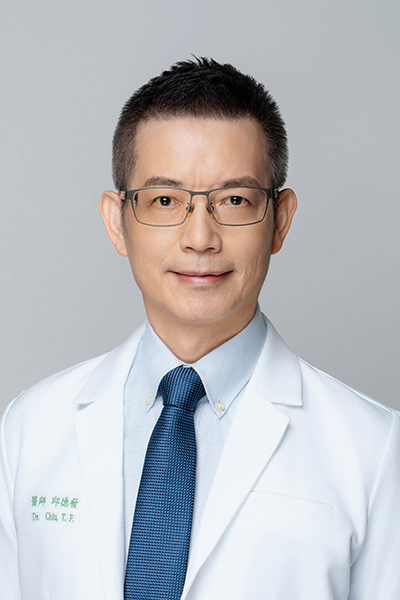
邱德發 醫師
Te-Fa Chiu, MD, PhD.
Job Title
🔹
中國醫藥大學附設醫院 教學副院長
🔹
中國醫藥大學附設醫院 教學部主任
🔹
中國醫藥大學附設醫院 急診部主治醫師
🔹
中國醫藥大學醫學系 兼任臨床教授
View Biography
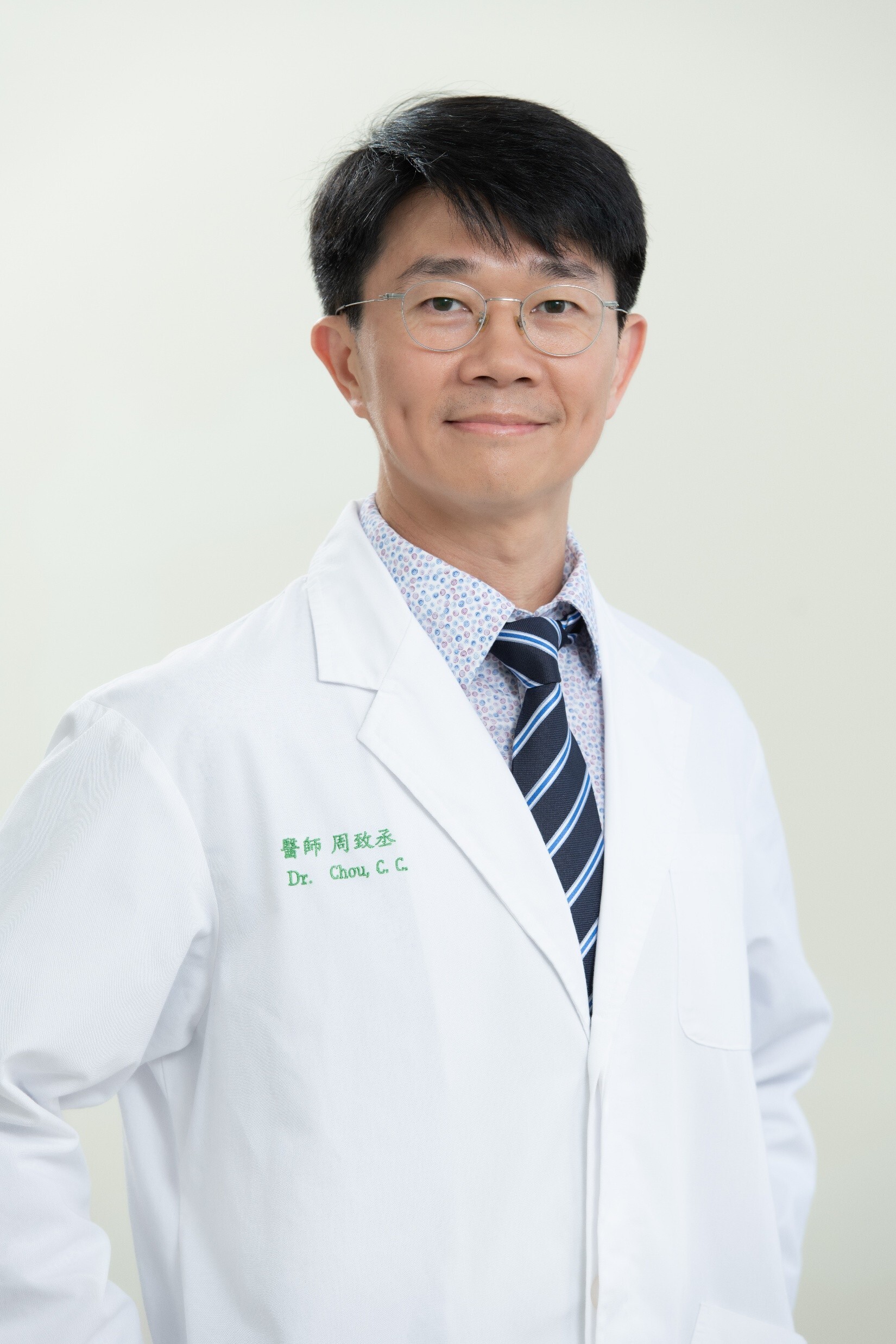
周致丞 醫師
Fremen Chihchen Chou, MD, PhD.
Job Title
🔹
中國醫藥大學附設醫院師培中心主任
🔹
中國醫藥大學醫學系副教授
🔹
台灣急診醫學會CBME工作小組召集人
🔹
Inaugural Member, ICBHPE Executive Committee, International Competency-Based Health Professions Educators Collaborative (ICBHPE, known as ICBME)
View Biography

陳建宇 醫師
Chien-Yu Jonathan Chen, MD, PhD.
Job Title
🔹
臺北醫學大學副教務長
🔹
臺北醫學大學醫學系醫學教育暨人文學科主任/副教授
🔹
臺北醫學大學附設醫院全人照護教育中心主任
🔹
台灣麻醉醫學會CBME推廣委員會主任委員
🔹
英國布里斯托大學醫學倫理教育博士
View Biography
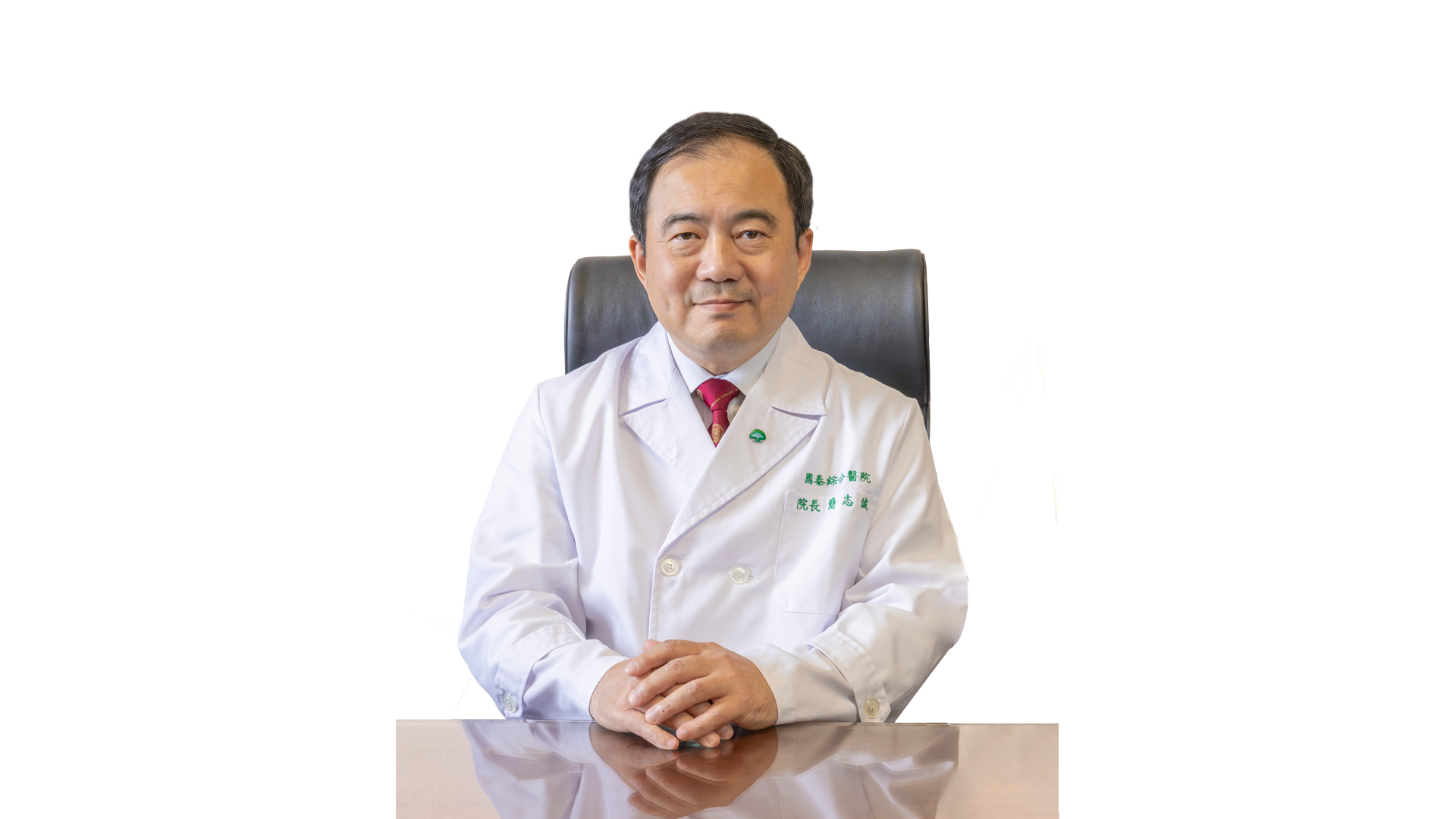
簡志誠 醫師
Albert Chih-Cheng Chien, MD, PhD.
Job Title
🔹
國泰綜合醫院院長
🔹
部定教授
🔹
台灣麻醉醫學會CBME推廣委員會主任委員
View Biography
ORGANIZING COMMITTEE
周致丞 醫師
Fremen Chihchen Chou, MD, PhD.
🔹
中國醫藥大學附設醫院師培中心主任
🔹
中國醫藥大學醫學系副教授
🔹
台灣急診醫學會CBME工作小組召集人
🔹
Inaugural Member, ICBHPE Executive Committee, International Competency-Based Health Professions Educators Collaborative (ICBHPE, known as ICBME)
Biography
Dr. Fremen Chihchen Chou is an Emergency Physician, Assistant Professor in the School of Medicine at China Medical University in Taiwan, and Director of the Center for Faculty Development at its affiliated hospital. With a Ph.D. in e-learning and science education, Dr. Chou brings a wealth of knowledge and expertise to the field of medical education as a senior Clinician Educator in Taiwan. His areas of interest include e-learning, interprofessional education, and competency-based medical education.
Dr. Chou has been instrumental in leading the competency-based training reform for the Taiwan Society of Emergency Medicine since 2011. He also serves as the Deputy Secretary-General of the Taiwan Association of Medical Education. He actively engages with the international CBME community and holds significant roles, such as a faculty member of the International Course: Ins and Outs of Entrustable Professional Activities, the International Regional Hub Leader for the Faculty Development Assessment Program in collaboration with ACGME and an inaugural member of the executive committee of ICBME collaborators.
ORGANIZING COMMITTEE
陳建宇 醫師
Chien-Yu Jonathan Chen, MD, PhD.
🔹
臺北醫學大學副教務長
🔹
臺北醫學大學醫學系醫學教育暨人文學科主任/副教授
🔹
臺北醫學大學附設醫院全人照護教育中心主任
🔹
台灣麻醉醫學會CBME推廣委員會主任委員
🔹
英國布里斯托大學醫學倫理教育博士
Biography
陳建宇醫師是台灣少數具備倫理學博士的臨床醫師,特別又是著重於臨床案例之倫理決策過程及其養成之訓練。陳醫師長期關注生命末期與全人醫療的議題,也積極提倡跨領域的反思教學。近期,陳醫師主導了麻醉醫學會與臺北醫學大學附設醫院之教學典範轉移,除推展在地化之學習里程碑計畫外,也舉辦多場師培工作坊,倡導臨床能力委員會群體決策之重要性。陳醫師是國內少數接受美國ACGME師資認證之種子教師,也主持數個CBME相關之科技部研究計畫,為台灣醫學教育推廣CBME不遺餘力。
ORGANIZING COMMITTEE
簡志誠 醫師
Albert Chih-Cheng Chien, MD, PhD.
🔹
國泰綜合醫院院長
🔹
部定教授
🔹
台灣麻醉醫學會CBME推廣委員會主任委員
Biography
簡志誠醫師自2004年起歷任國泰醫院各分院及總院醫教會主委,十餘年來持續致力於住院醫師與醫事人員的醫學教育;另自2006年起擔任輔仁大學醫學系副系主任,復於2016年起升任輔大醫學院副院長,亦長期積極參與醫學生的醫學教育。此外,於2016-2018擔任台灣麻醉醫學會理事長任內,增設EPA/Milestone推動小組,將CBME導入台灣麻醉醫學會之住院醫師訓練,復自2018年起,進一步於台灣麻醉醫學會新設CBME推廣委員會並擔任主委,持續推動麻醉醫學的勝任能力導向訓練。2017年起參與教學醫院評鑑條文研修擔任委員,亦於接受美國ACGME種子教師師資認證後,推動國泰綜合醫院成為ACGME 之International Hub 並擔任leader,與國內各主要先驅者一起推動全國勝任能力導向醫學教育的推動,提升台灣醫學教育品質。
ORGANIZING COMMITTEE
邱德發 醫師
Te-Fa Chiu, MD, PhD.
🔹
中國醫藥大學附設醫院 教學副院長
🔹
中國醫藥大學附設醫院 教學部主任
🔹
中國醫藥大學附設醫院 急診部主治醫師
🔹
中國醫藥大學醫學系 兼任臨床教授
Biography
邱德發醫師具神經內科與急診醫學科專科醫師、重症醫學專科醫師與指導醫師、醫用超音波醫學會超音波專業醫師與急診醫學會超音波指導醫師等證書,熱愛急診醫學、重症醫學、超音波學與醫學教育,對緊急氣道處置與急性高山症亦有深入研究。能在急診為病人服務是快樂而有意義的事,雖然辛苦卻甘之如飴。